Riera Can Julià
Landscape enhancement and access to the Llobregat in Sta. Coloma de Cervelló, Phase II
Barcelona Metropolitan Area (AMB). With Naturalea
Sta. Coloma de Cervelló (Barcelona), in progress
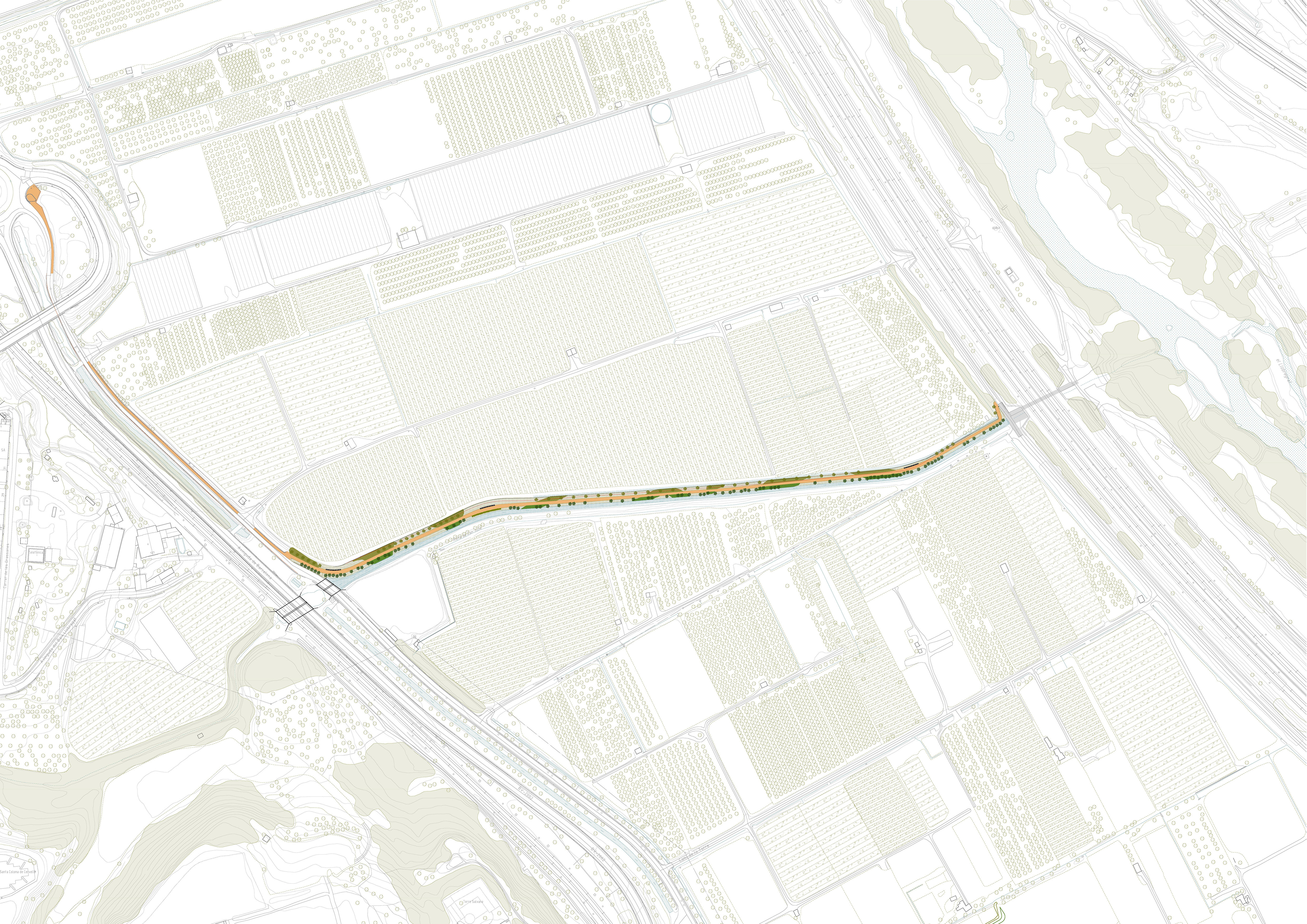
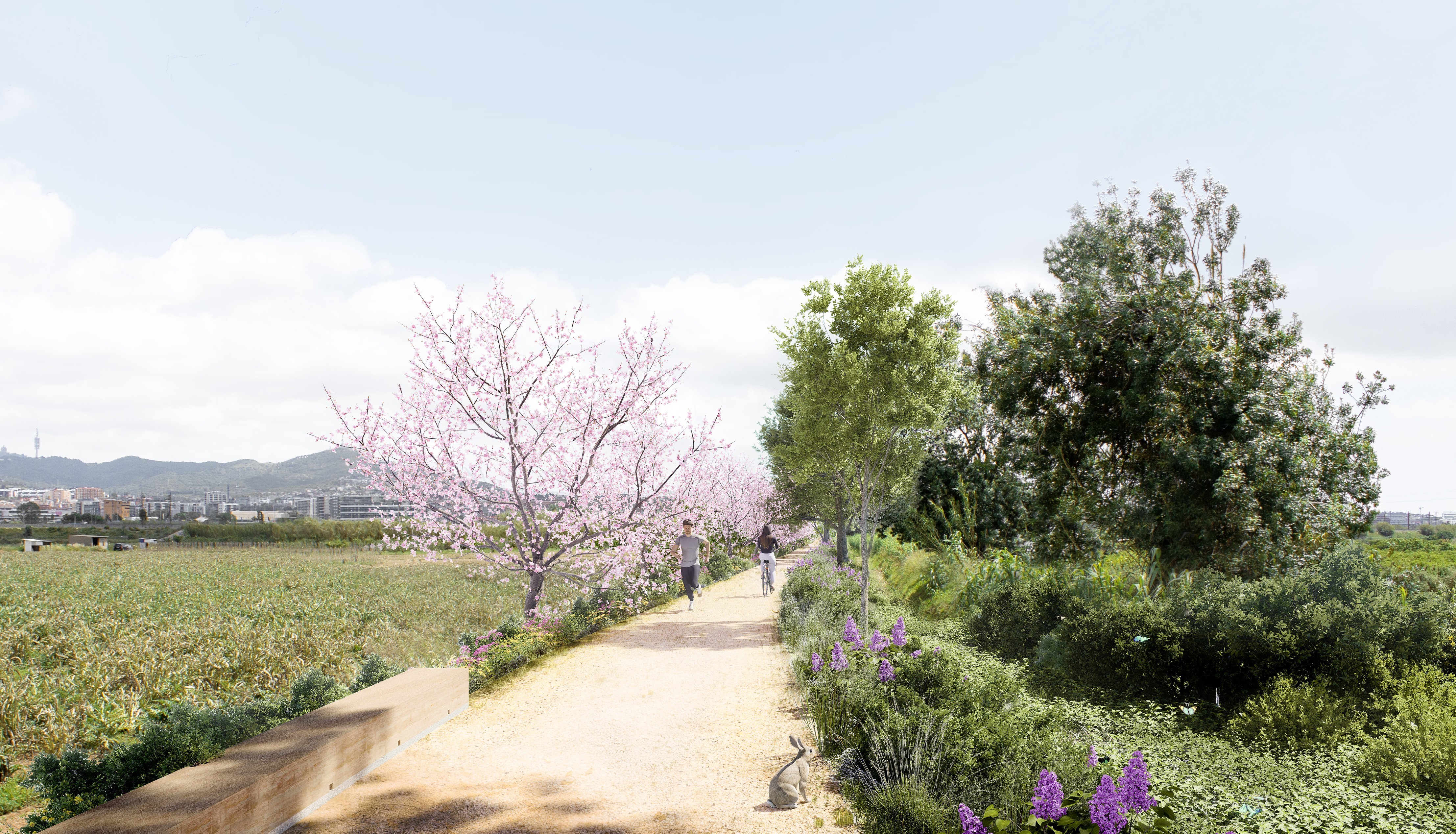
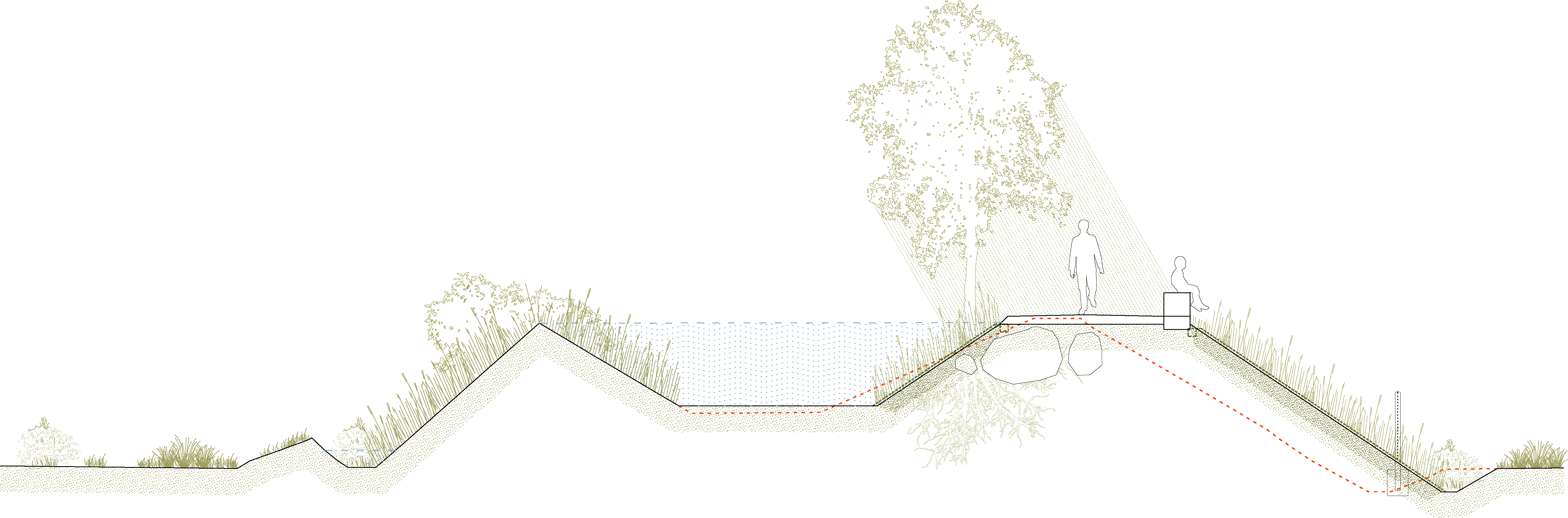
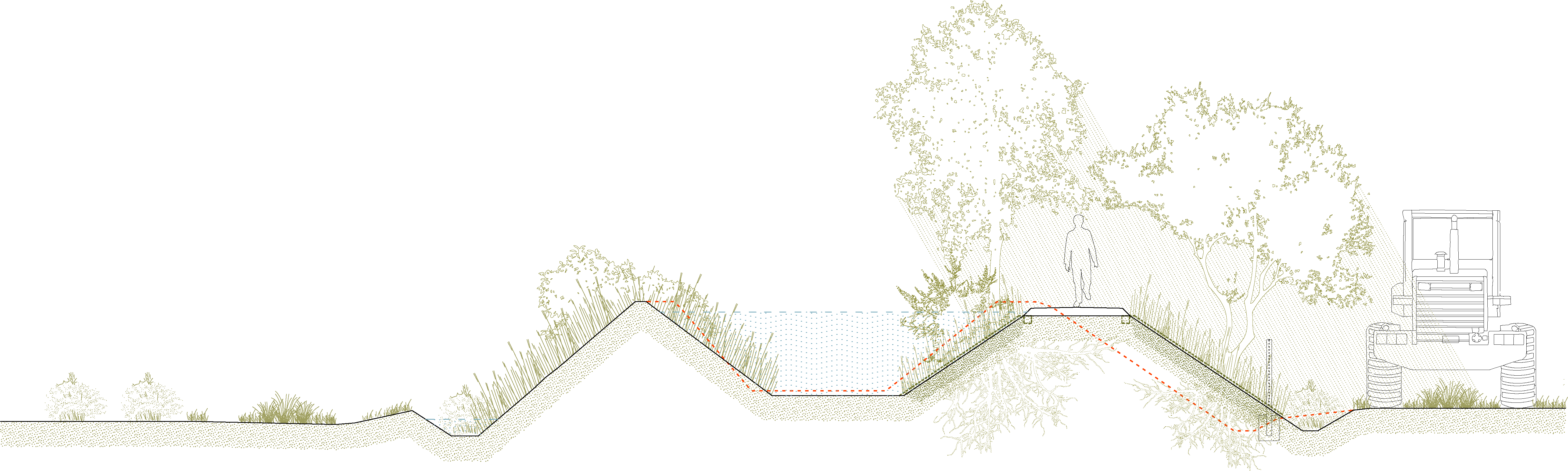
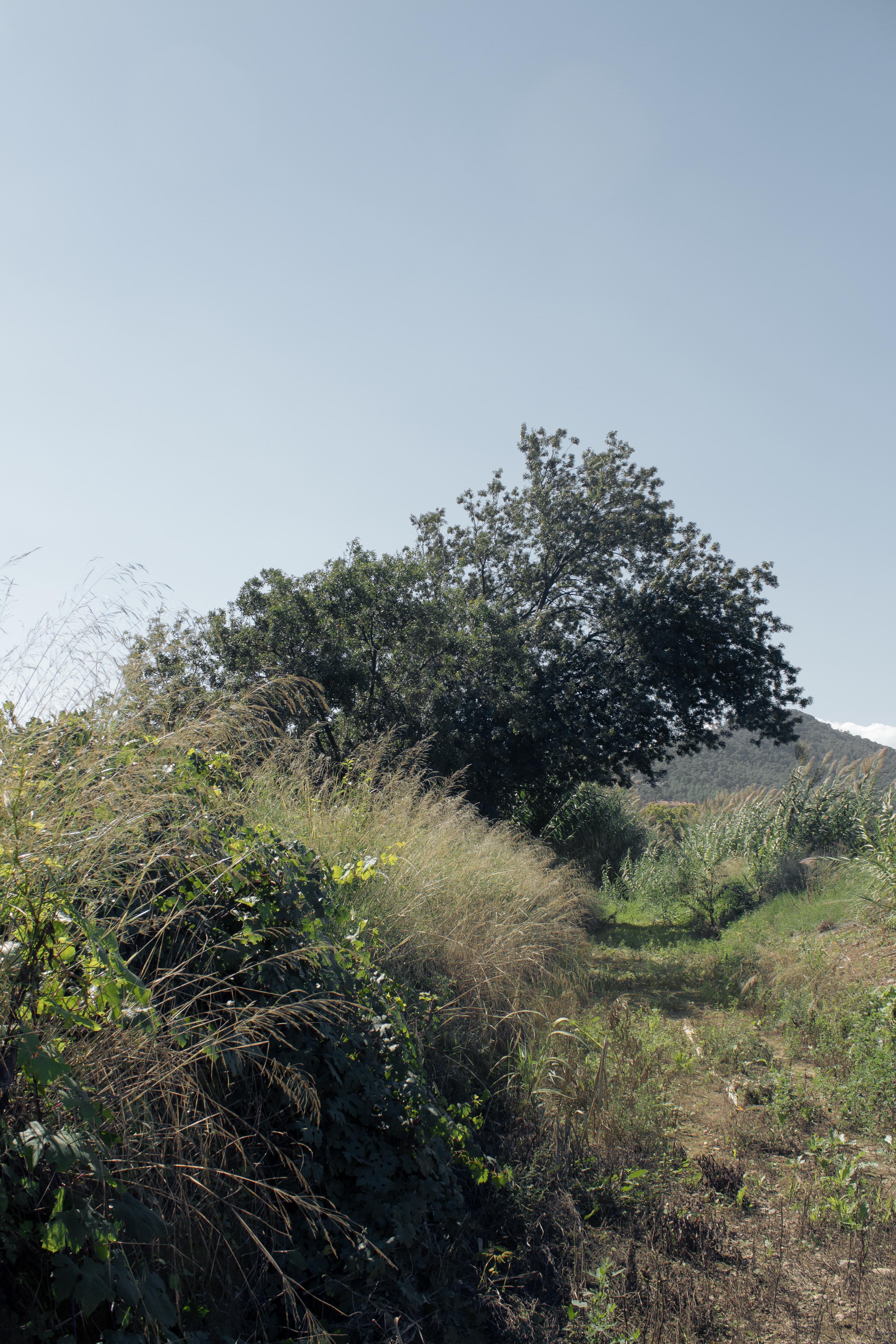
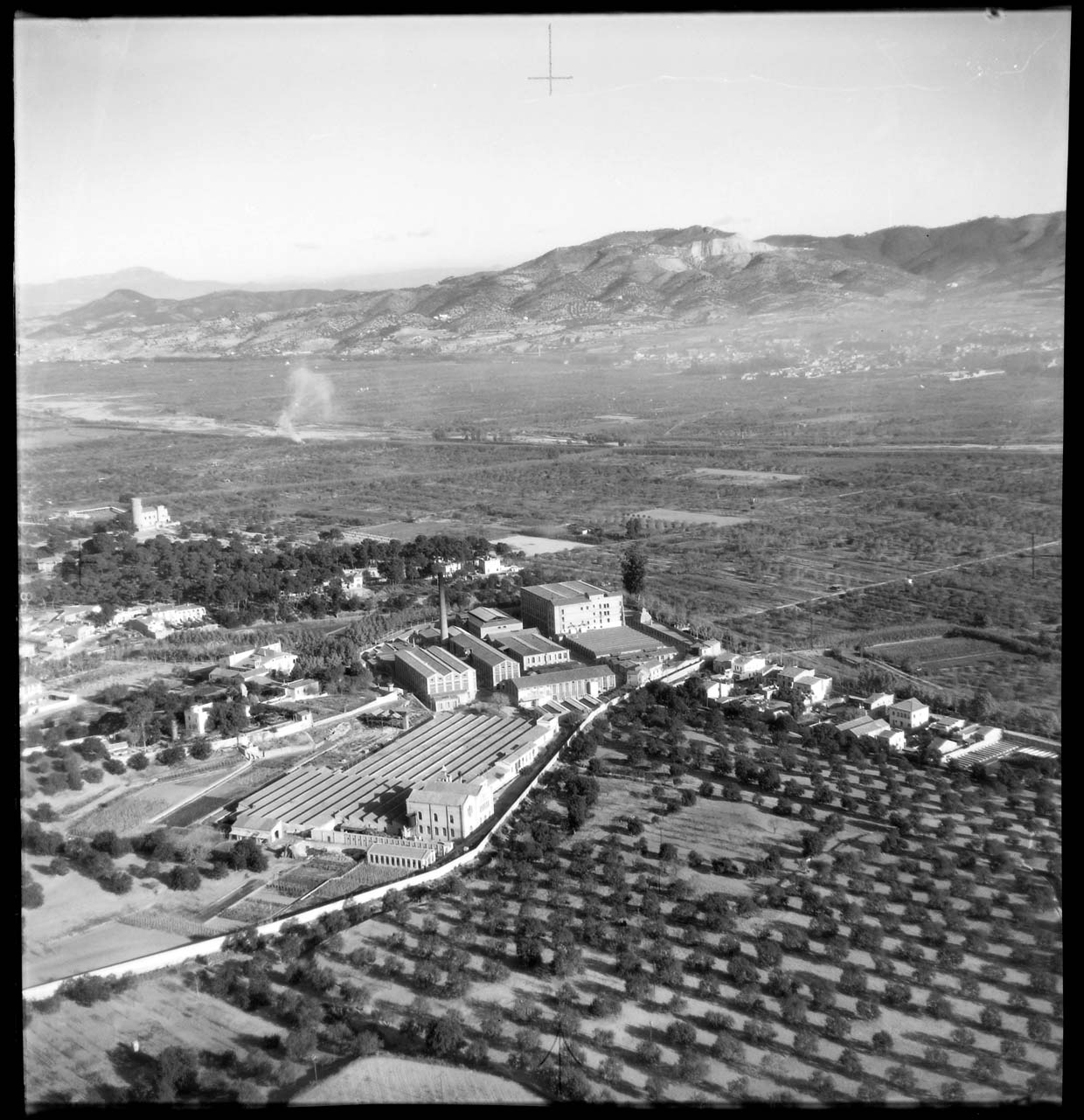
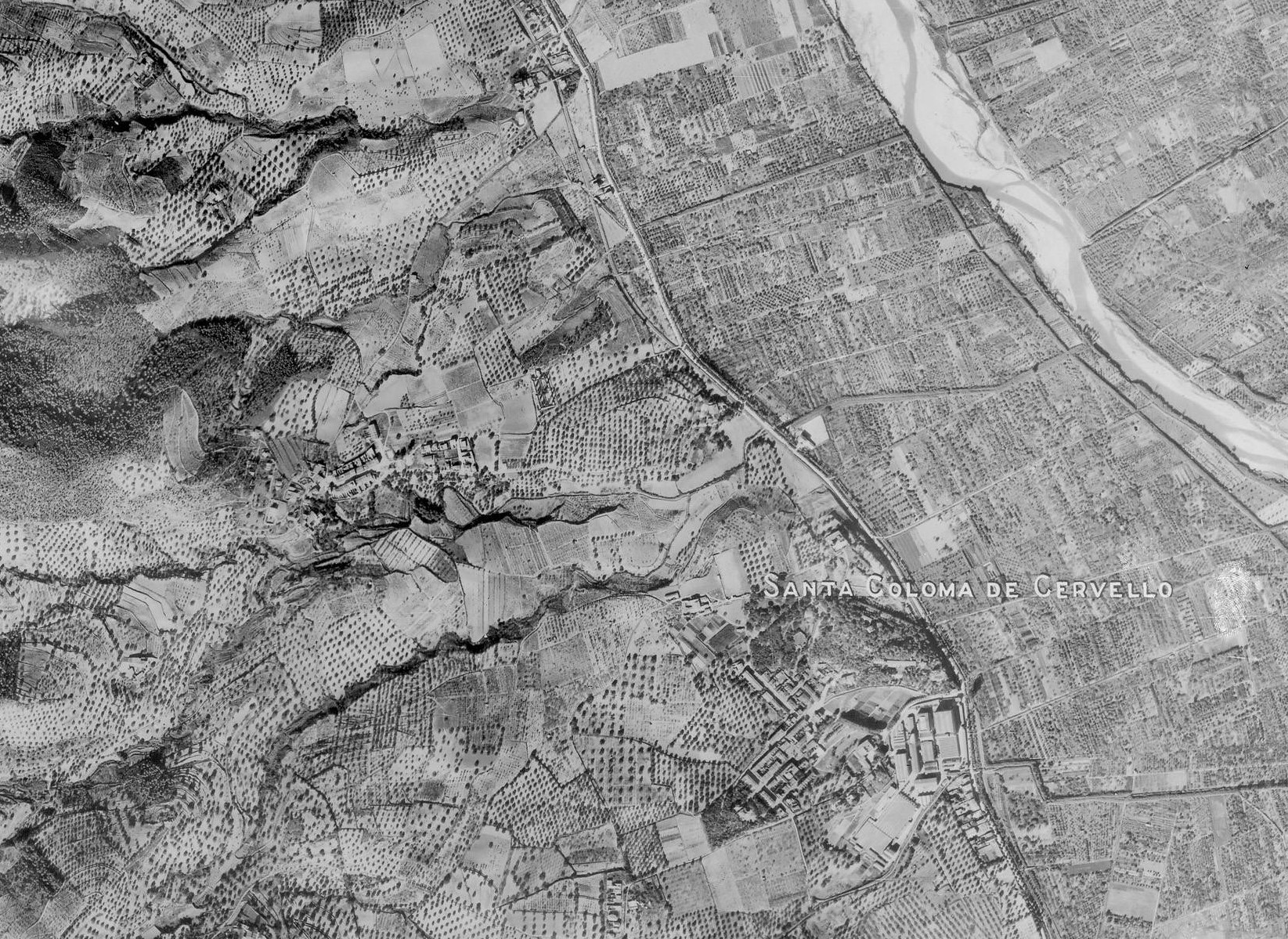
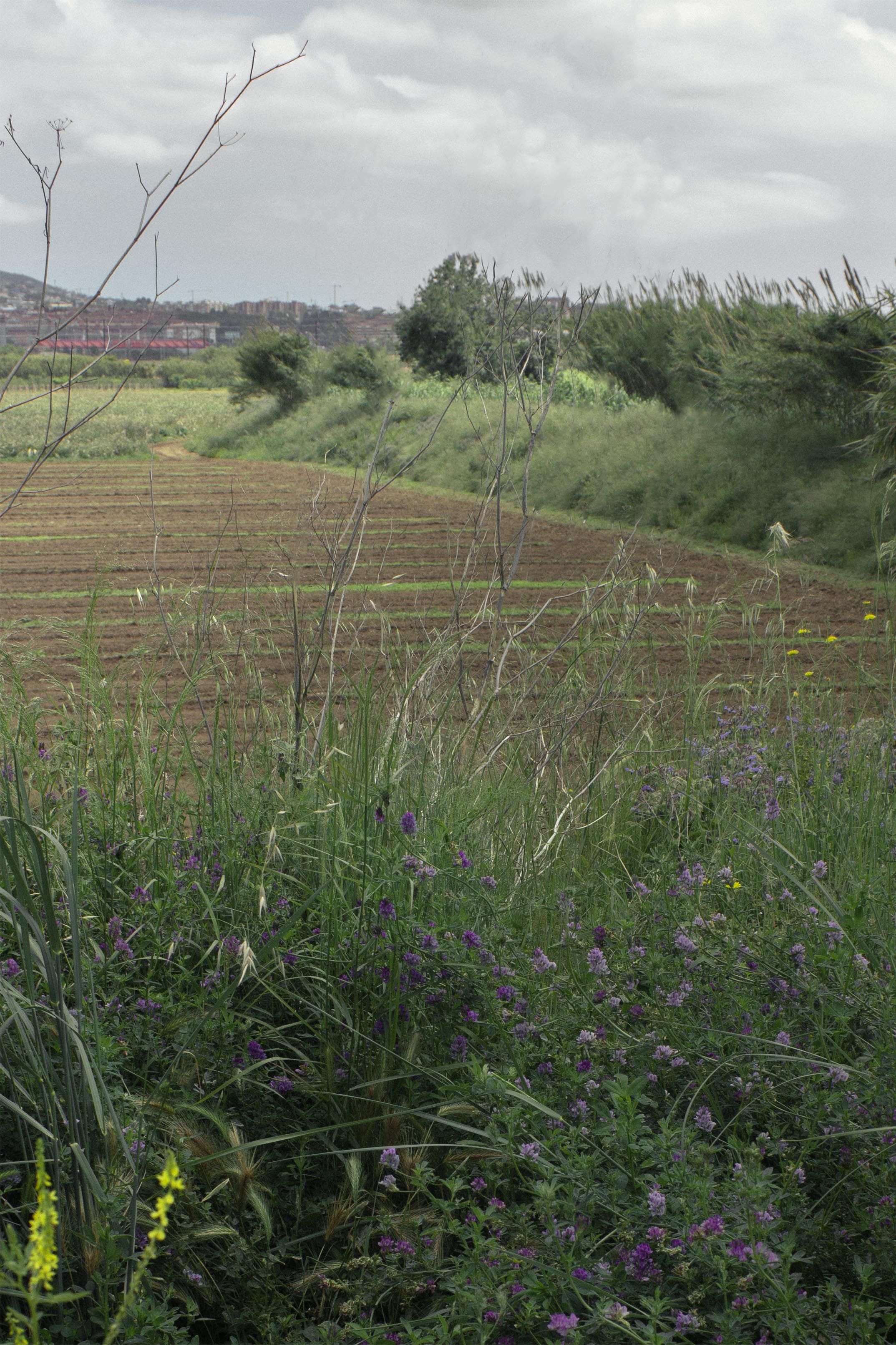
The lower stretch of the Llobregat River serves as a linear axis of infrastructures, which act as barriers to the communication between urban centres and the Llobregat River Park. The project provides a new access to the River Park and a shaded area by the Can Julià ravine, next to the Right Canal and with views of the Agricultural Park. The Can Julià ravine functions as a biodiversity connector between the Central Coastal Sierras and the Llobregat River. Upstream, it has a generous width due to the abandonment of woody crops, but as it reaches the entrance of the Agricultural Park, its morphology changes and becomes channelled with earthen banks. This is a critical point for biological connection, thus the proposal aims for a balance between public access and ecological restoration of the ravine through three strategies: 1. Reduction of materials and landscape integration, 2. Complete eradication of cane with native plant restoration and bioengineering systems, 3. Soil balancing and stabilization of the hydraulic section.
Riera Can Julià
Landscape enhancement and access to the Llobregat in Sta. Coloma de Cervelló, Phase II
Barcelona Metropolitan Area (AMB). With Naturalea
Sta. Coloma de Cervelló (Barcelona), in progress
The lower stretch of the Llobregat River serves as a linear axis of infrastructures, which act as barriers to the communication between urban centres and the Llobregat River Park. The project provides a new access to the River Park and a shaded area by the Can Julià ravine, next to the Right Canal and with views of the Agricultural Park. The Can Julià ravine functions as a biodiversity connector between the Central Coastal Sierras and the Llobregat River. Upstream, it has a generous width due to the abandonment of woody crops, but as it reaches the entrance of the Agricultural Park, its morphology changes and becomes channelled with earthen banks. This is a critical point for biological connection, thus the proposal aims for a balance between public access and ecological restoration of the ravine through three strategies: 1. Reduction of materials and landscape integration, 2. Complete eradication of cane with native plant restoration and bioengineering systems, 3. Soil balancing and stabilization of the hydraulic section.
Riera Can Julià
Mejora paisajística y acceso al Llobregat en Sta. Coloma de Cervelló, Fase II
Área Metropolitana de Barcelona (AMB). Con Naturalea
Sta. Coloma de Cervelló (Barcelona), en proceso
El tramo bajo del río Llobregat es un eje lineal de infraestructuras que suponen barreras para la comunicación de los núcleos urbanos con el Parc Fluvial del Llobregat. El proyecto genera un nuevo acceso al Parque Fluvial y un espacio de estancia sombreado por la riera de Can Julià, junto al Canal de la Derecha y con vistas al Parque Agrario. La riera de Can Julià es una de las rieras que todavía funciona como conectora de biodiversidad entre las Sierras del Litoral Central y el río Llobregat. Aguas arriba dispone de una anchura generosa por el abandono de los cultivos leñosos, pero cuando llega a la entrada del Parc Agrari su morfología cambia y se encuentra canalizada con motas de tierra. Éste es un punto crítico para la conexión biológica, por tanto, la propuesta busca el equilibrio entre la necesidad de conexión para los ciudadanos y la restauración ecológica de la riera con 3 estrategias: 1. Reducción de materiales e integración paisajística, 2. Erradicación completa de la caña con restauración vegetal autóctona y sistemas de bioingeniería 3. Equilibrio de tierras y estabilización de la sección hidráulica.